

casino spinjo slot machines has subtly completed one of the largest platform overhauls in New Zealand’s interactive gaming market this year. This isn’t a cosmetic update. The provider has created a highly configurable environment from the ground up, introducing a configuration-focused structure that transforms how Kiwi players engage with their accounts. We’re talking specific deposit triggers, session-oriented display options that follow you across devices, and actual control over the feel of the platform. Industry watchers who monitor the local digital wagering arena point out that the development isn’t about packing in more titles or adding another payment rail. It’s about returning operational command back to the player. This analysis walks through the seven critical dimensions of the new experience and looks at how the enhanced settings framework establishes Spinjo Casino into a case study in responsible, preference-driven development for a New Zealand market.
Customized Command: The New Settings Dashboard Revolutionizing User Experience
The core of the update is a reimagined settings dashboard that eliminates the old one-size-fits-all method to account management. Critical controls no longer sit buried behind numerous menus. Spinjo Casino now offers a integrated command center where players can adjust audiovisual feedback, notification frequency, and even the density of the game lobby display in real time. The dashboard relies on a modular card-based layout that reacts to how each person interacts with the platform, showing the toggles that are most important without clutter. For a New Zealand market that continues to demand more digital sovereignty, this level of granular customization moves beyond the rigid templates competing platforms continue to use. It also suggests that the operator has heeded complaints about cognitive load and interface fatigue.
Beyond appearance, the new settings framework brings contextual smart defaults that conform to the device being used and the time of day a session starts. A player using a mobile phone after 10 p.m. gets a more subdued palette, reduced animation effects, and a streamlined quick-deposit module that reduces on-screen elements. These modifications aren’t forced. The system proposes them, and the player can approve or overrule them permanently. The analytical takeaway here is straightforward: Spinjo Casino treats the user interface as a evolving environment, not a static storefront. By weaving behavioral data into the settings layer without sacrificing privacy, the platform builds a smooth path to personalization. That is significant for the diverse digital habits of players across Auckland, Wellington, and Christchurch.
The expanded options also offer a session preset system. Players can store multiple setups for diverse play styles. A casual midweek sports bettor might enable a low-stimulus mode with minimal promotional banners. A weekend casino enthusiast could toggle to a high-energy layout with live dealer alerts and tournament leaderboard feeds. This feature understands that a single New Zealand player can have several gaming identities. It also removes the tedious recalibration that used to make switching between modes a chore. The settings are stored securely in the cloud, so a player logging in from a shared laptop in a Queenstown hostel gets the same tailored environment they configured on their home desktop in Hamilton, as long as they complete standard identity verification.
Expanded Payment Methods for Kiwi Players
The improved settings framework dovetails with a remarkable expansion of the cashier ecosystem, designed around payment behaviors seen in New Zealand. Spinjo Casino has added several local bank transfer protocols and digital wallets that have grown in use in the Pacific region, reducing the reliance on international card schemes that often impose foreign transaction fees. The new wallet management dashboard lets players establish funding priorities, assign default currencies for multi-currency accounts, and create short-term spending caps that cover newly added payment methods during a cooling-off period. This is a significant step forward in financial control. It moves past simple deposit limits toward a system that recognizes the psychological friction different payment channels create.
Analysts examining the expanded options will identify the inclusion of POLi payments and a improved integration with New Zealand’s domestic banking infrastructure, which speeds up withdrawal processing times considerably. The settings panel now presents real-time status indicators for each linked payment method, featuring estimated clearing times that change dynamically based on the day of the week and public holiday schedules. That transparency removes the old pain point of guessing when funds will arrive, a detail that has eroded trust in the market for years. By enabling players switch notifications for each step of the withdrawal journey, Spinjo Casino transforms a traditionally opaque process into a traceable, user-controlled experience. That aligns with the high expectations of digitally literate Kiwi consumers.
The operator has also introduced a payment method restriction feature. Players can voluntarily block specific deposit channels for a self-defined period. This tool functions independently of the broader responsible gambling limits and is offered as a budgeting aid, not a punitive measure. A player might turn off credit card deposits while retaining the ability to use a prepaid voucher or bank transfer, forming a self-imposed financial boundary they can change once every seven days. The feature responds directly to research indicating that New Zealand players prefer flexible, non-intrusive tools that support informed decision-making without permanent account flags.
Mobile-First Optimization: Gaming on the Go Throughout New Zealand
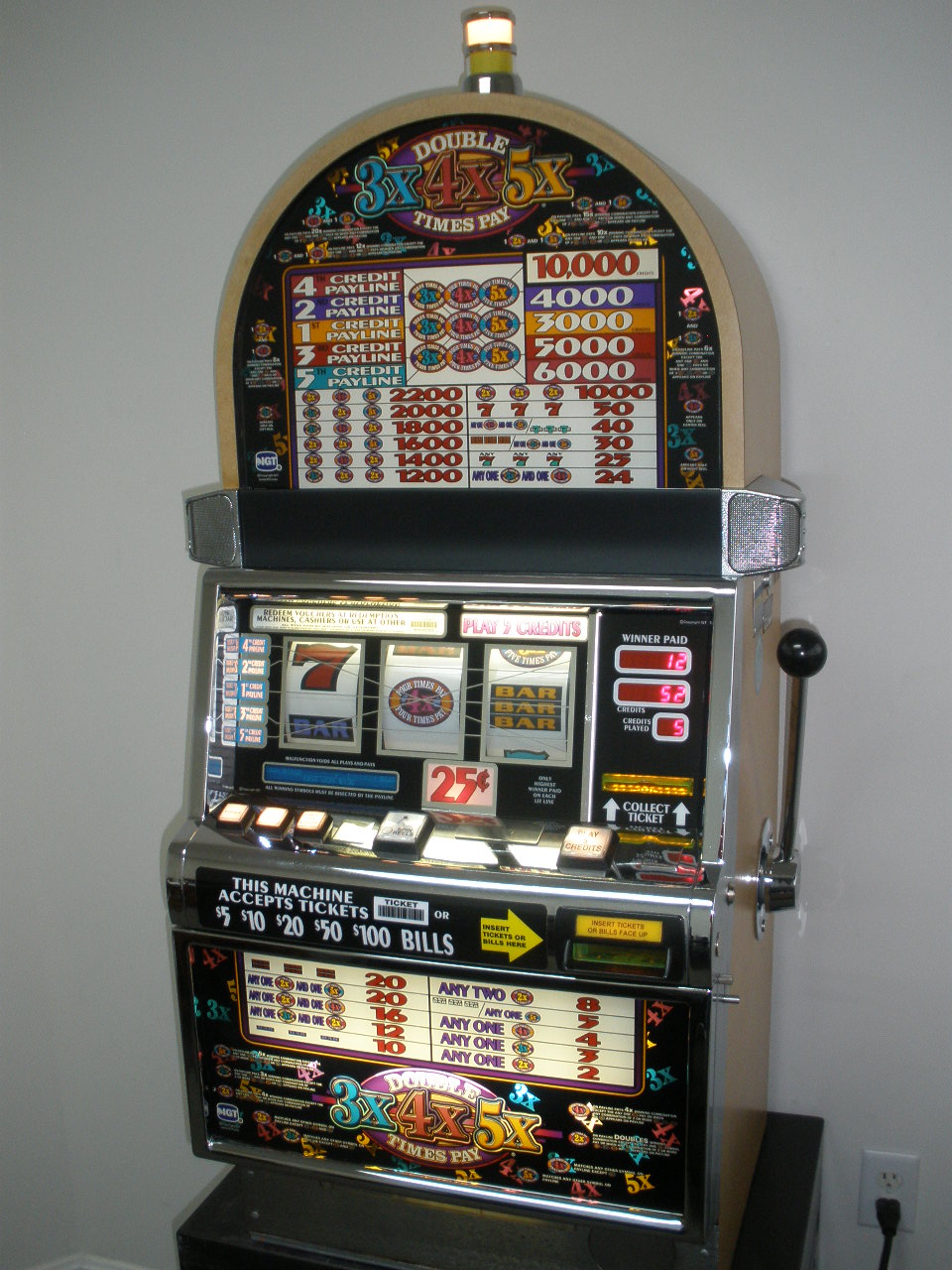
This settings development reaches its complete capacity on mobile devices, where Spinjo Casino has implemented a gesture-based quick-access panel that places the key settings into a thumb-reachable area. A significant part of New Zealand’s online gaming takes place on smartphones during commutes or in remote locations with variable connectivity. Understanding this, the operator has engineered a performance mode that modifies graphical fidelity and background data usage according to the network strength identified by the device. The configuration menu allows players to set a data cap for the app, define low-bandwidth presets for designated places, and even schedule large game asset downloads for Wi-Fi-only periods, preventing unexpected mobile data drain.
This mobile platform gets further refined by a geographic notification feature that considers the country’s unique time zones and daylight saving patterns. Players can configure session reminders that consider their local time, and the platform can change its promotional rhythm to synchronize with New Zealand’s business hours, preventing late-night marketing pushes unless explicitly permitted. This data-driven benefit is dual: players feel that the platform grasps their daily rhythm, and the operator reduces the risk of notification fatigue that leads to app uninstalls. This configuration screen also includes a power-saving switch that lowers background animations when the device charge drops below a user-defined threshold, a subtle yet impactful feature that underscores the platform’s commitment to practical user experience design.
For players who frequently move between urban centers and remote areas, the upgraded settings enable a seamless shift between online and semi-offline modes. Complete offline gaming isn’t supported, but the system can cache a curated selection of game rules and paytable information, and it loads the live dealer lobby streams at a smaller size to ensure a steady link over unreliable rural internet. The smartphone settings panel displays a connectivity health score, enabling players to select intelligently about which games to start based on their present internet situation. This data-driven method to mobile performance sets a new reference point for how gaming platforms can adjust to the geographical realities of New Zealand’s North and South Islands.
A Tailored Game Library That Aligns With Local Preferences
The configuration expansion permeates the game lobby, where Spinjo Casino has introduced a curation tool that curates titles based on a player’s manually picked preferences and blinded play patterns. Standard recommendation algorithms just push the most played slots. This system lets users adjust their discovery feed by adjusting sliders for risk, theme, complexity, and even the presence of specific bonus mechanics like cascading reels or hold-and-win features. The effect is a library that seems personally assembled, not generic. The New Zealand audience has demonstrated a marked liking for high-volatility machines with Māori-inspired art and Pacific Rim narratives, and the curated approach brings out games that would usually get hidden in a mass catalogue of thousands.
Players can also turn on a regional spotlight mode that showcases titles from studios that have invested in local cultural collaboration or that showcase New Zealand voice actors and soundscapes. This isn’t a gimmick. It’s a deliberate attempt to narrow the gap between global software providers and a community that cherishes authentic representation. The preferences panel stores these preferences across sessions, and the game tiles present at-a-glance indicators revealing which of the player’s picked criteria a title satisfies. An observant observer would note that this reduces decision paralysis and enhances time spent exploring content that genuinely resonates, a metric that advantages both player satisfaction and operator retention rates in a mature market.
The enhanced controls also include a practice mode scheduler. Players can set a specific time allotment for free-play sessions before risking real funds. This feature is particularly useful for testing new game mechanics or understanding the paytable of a complex slot without the pressure of a active balance. The settings dashboard shows the session length and outcomes in a concise summary, giving players a informed groundwork for their following real-money decisions. For a nation that consistently places high in financial literacy, this combining of entertainment analytics and practical budgeting tools seems less like a casino feature and more like a modern financial planning app customized for leisure.
Secure and Open: The Upgraded Privacy Controls
Privacy controls have been completely reimagined in this update, reflecting the growing demand among New Zealand users for clear command over their personal data. Spinjo Casino now provides a multi-level agreement framework that separates essential operational data from marketing analytics and personalization cookies. Each category is described in plain language, free of legal jargon, and players can adjust consent for each layer independently without giving up entry to core gaming functions. The transparency dashboard provides a real-time log of data access requests, showing exactly which departments or automated systems have engaged with the player’s information and for what purpose. This feature places the platform ahead of most contenders in the Asia-Pacific region.
The settings also bring in a self-service data export tool that meets New Zealand’s Privacy Act principles. Players can access a structured record of their account activity, transaction history, and communication preferences at any time. What makes this particularly significant is the inclusion of derived information, such as the usage categories the system uses to personalize the game lobby. Players get full visibility into the digital profile the casino creates. This level of disclosure is uncommon in the entertainment sector and matches Spinjo Casino with the data ethics standards typically reserved for financial institutions. The assured method communicates a clear signal that the operator views trust as a competitive advantage rather than a regulatory burden.
The enhanced privacy framework also features a temporary anonymous mode for browsing the game library and reviewing promotional material without logging a permanent session footprint. When engaged, the platform does not record game launches or page views in the user’s main profile, though it still keeps necessary security logs for anti-fraud purposes. This feature acknowledges the discovery stage of a player’s journey, where they may want to investigate new titles or read terms and conditions without the feeling of being watched. For a perceptive New Zealand audience that cherishes personal space, this quiet innovation is likely to be a major advantage in a crowded market.
Safer Gambling Features That Uphold Player Independence
Spinjo Casino’s enhanced settings framework redefines the responsible gambling toolset by transitioning from a compliance-driven set of requirements to a authentically empowering suite of features. The new reality check system is fully adjustable. Players can set session time reminders that are either obtrusive full-screen notifications or subtle status-bar pulses, based on their preference. The deposit limit module now supports daily, weekly, and fortnightly limits that can be reduced instantly but require a 24-hour cooling-off period to loosen, a design that balances safety with freedom. The platform also introduces a voluntary self-assessment questionnaire that provides a personalized risk score without revealing the results with the operator, using on-device processing to maintain confidentiality.

The enhanced options also include a spend tracker that categorizes net position over adjustable time frames, displaying the data in a balanced, non-judgmental format that encourages reflection rather than embarrassment. Players can opt to receive a weekly summary email that contrasts their activity against their own historical averages, not against arbitrary benchmarks. This data-driven approach aligns with New Zealand’s public health messaging around gambling harm, which emphasizes informed choice. The settings dashboard also links directly to local support services such as the Gambling Helpline New Zealand, with an option to set a one-tap call button that appears on the screen only when the player chooses to enable it, avoiding the stigmatizing effect of permanent crisis icons.
Perhaps the most groundbreaking feature is the time-out budget planner. Players can set a future date range during which their account will automatically enter a restricted mode with pre-set spending and time limits. This tool is designed for those who want to plan a time away around a holiday or a particularly busy work period, rather than acting to a moment of stress. The settings interface frames this as a positive lifestyle option, using language that removes the stigma from the decision to take a pause. For an operator targeting a mature New Zealand audience, this considerate, non-paternalistic approach to safer play is likely to foster deeper trust than the punitive measures that characterize many legacy platforms.
Tailored Customer Support and Community Engagement
The final pillar of the enhanced settings expansion is a reworked support ecosystem that employs the same customization engine to deliver location-aware assistance. Players can now select their preferred support language, communication channel, and availability windows directly within the settings dashboard. The platform routes queries to a dedicated team versed in New Zealand’s regulatory environment and cultural nuances, making sure that discussions about banking delays or game rules are addressed with context that a generic overseas call center cannot supply. The settings also facilitate a callback scheduling feature that follows the player’s chosen time zone, eliminating the frustration of missed calls across international date lines.
Spinjo Casino has also launched a community feedback loop that connects the settings preferences of consenting players to the product development roadmap. An opt-in panel lets users to vote on proposed features, such as the addition of specific payment methods or the introduction of new game categories, directly through the dashboard. The results are published transparently, and the operator promises to quarterly public reports on how player input has shaped the platform. This level of engagement turns the settings menu from a passive configuration tool into an active dialogue channel, something that resonates strongly with New Zealand’s participatory culture and its expectation that businesses operating in the community should be accountable to it.
The upgraded settings also govern the rate and content of promotional communications with a exactness that feels almost customized. Players can opt to obtain only bonuses tied to games they have actually tried, or to be informed when a new title matching their chosen genre preferences is released. The system even allows for a tournament opt-in that is specific to certain buy-in levels, guaranteeing that recreational players are not overwhelmed with high-roller events that have no significance. This detailed communication control reduces inbox fatigue and strengthens the impression that Spinjo Casino is a service tailored to the individual, not a broadcast platform driving a standardized agenda across the whole New Zealand market.
The settings-enhanced expansion at Spinjo Casino embodies a deliberate and analytically sound transition toward player-centric architecture. By incorporating deep customization into every level of the experience, from payment hygiene and privacy protocols to game discovery and responsible gambling tools, the platform has built a digital environment that values the insight and range of the New Zealand audience. The confident execution of these features implies an operator that comprehends loyalty is established not through flashy welcome offers, but through the quiet, persistent respect achieved when a player feels truly in control of their own experience.